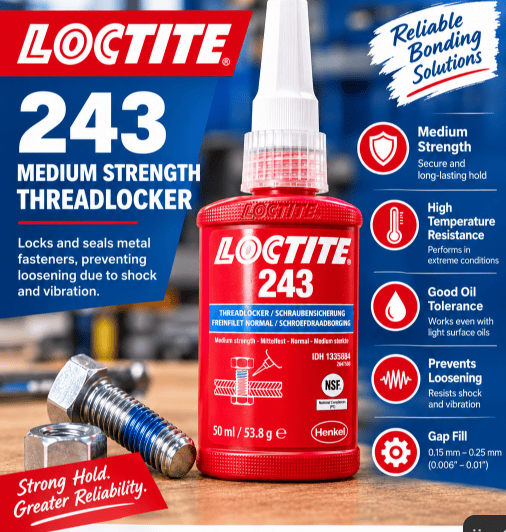
Loctite 243: Uses, Strength, Cure Time, and How to Apply Blue Threadlocker
Imagine spending time tightening bolts on a machine, only to discover that vibration has gradually loosened them. It is a frustrating problem, especially when a loose fastener can cause equipment damage, oil leaks, or unexpected downtime. Fortunately, there is a simple way to help prevent this: Loctite 243.
Thank you for reading this post, don't forget to subscribe!Known as Blue Loctite, this medium-strength threadlocker secures threaded metal fasteners and helps prevent them from loosening under vibration and shock. What makes it particularly useful is that it provides a dependable hold without making future maintenance a nightmare. You can still remove the fasteners using ordinary hand tools when repairs are necessary.
What Is Loctite 243 Used For?
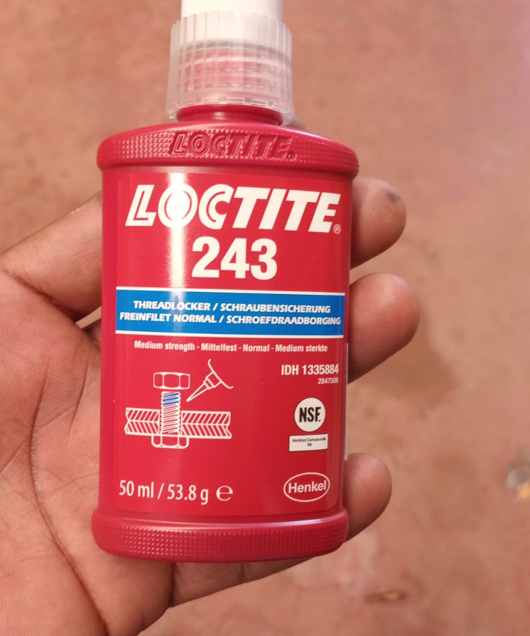
Loctite 243 is a general-purpose, blue anaerobic threadlocking adhesive designed for locking and sealing threaded metal connections. It cures when confined between closely fitting metal surfaces in the absence of air.
You can use it on bolts, nuts, and threaded fasteners found in automotive engines, pumps, gearboxes, electric motors,range, and industrial machinery.
Another advantage is its oil-tolerant formulation. It can cure through many light coatings of corrosion-prevention oils and cutting fluids, making it useful when perfectly clean fasteners are difficult to achieve.
How Strong Is Loctite 243?
Although it is not a permanent threadlocker, Loctite 243 offers impressive holding performance. Its medium-strength formulation provides a breakaway torque of approximately 26 N·m (230 in-lb) on M10 steel nuts and bolts.
It is strong enough to resist vibration-induced loosening while allowing normal disassembly with standard tools.
This makes it a practical choice when you want secure fasteners without sacrificing future servicing.
How Long Does Loctite 243 Take to Cure?
Nobody wants to wait unnecessarily before getting machinery back into operation. Fortunately, Loctite 243 has a fixture time of approximately 10 minutes under suitable conditions.
However, fixture time does not mean the adhesive has reached maximum strength. Allow approximately 24 hours at room temperature for full curing under typical conditions. Actual curing speed depends on temperature, metal type, nuts, and thread clearance.
Its operating temperature range is also impressive, extending from -55°C to 180°C.
How Do You Apply Loctite 243 Correctly?
Getting the best results does not require complicated equipment. Follow these steps:
- Remove dirt and excessive oil from the threaded surfaces.
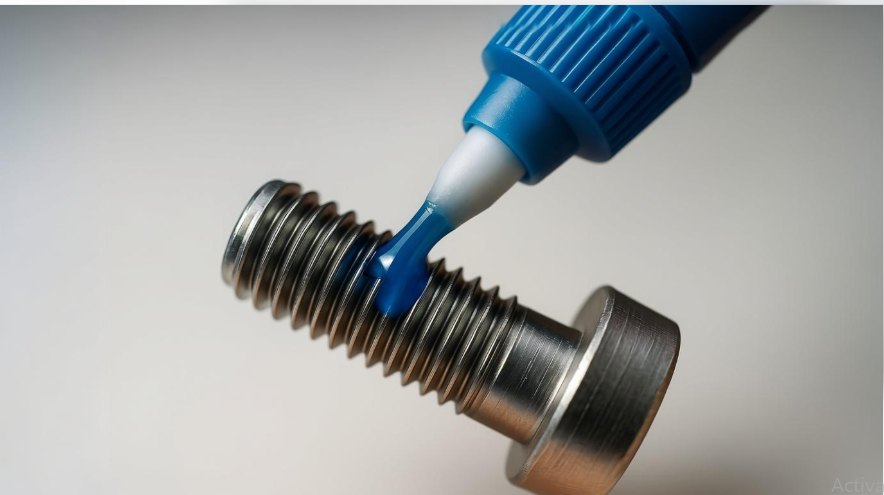
- Apply a small amount of blue threadlocker to the engagement area of the bolt.
- Assemble the nut and bolt immediately.
- Tighten to the manufacturer’s specified torque.
- Allow the adhesive to cure before exposing the assembly to demanding operating conditions.
For through-hole applications, apply the product to the exposed threads after inserting the bolt. For blind holes, apply it into the lower third of the hole.
Is Loctite 243 Removable?
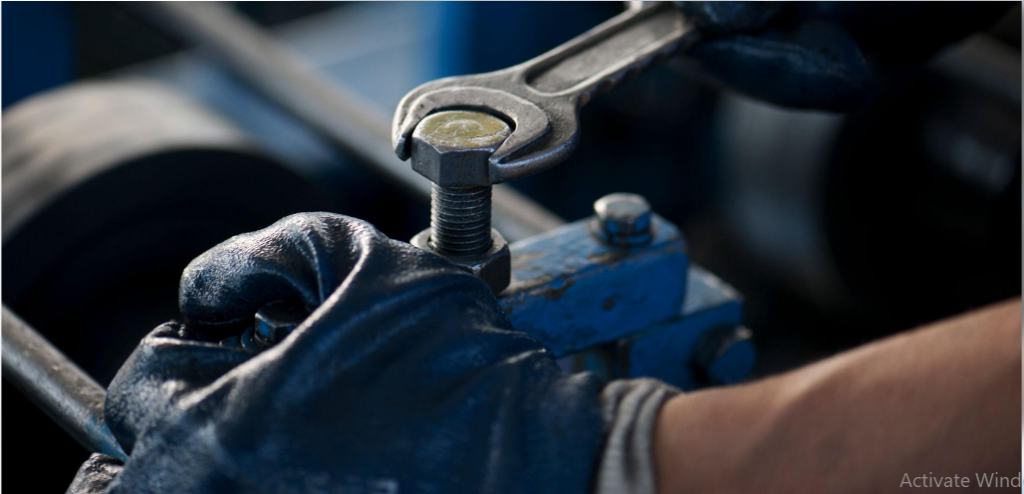
Yes! This is one of its biggest advantages. Unlike high-strength permanent threadlockers, Loctite 243 is designed for normal disassembly using standard hand tools. It is therefore suitable for components that require periodic inspection and maintenance.
Can Loctite 243 Be Used on Plastics?
Loctite 243 is formulated primarily for metal-to-metal threaded connections. It is not recommended as a general-purpose plastic adhesive. Some plastics may be incompatible with anaerobic adhesives, so check material compatibility before use.
What Happens If You Apply Too Much Loctite?
Using excessive threadlocker can cause unnecessary squeeze-out, messy assemblies and contamination of surrounding components. A small, controlled application is normally sufficient. Remember, pouring half the bottle onto a bolt will not turn it into a superhero!
Do You Let Loctite Cure Before Screwing?
No. Apply Loctite 243 before assembling the threaded parts. The adhesive needs to be confined between the metal surfaces to cure properly. Assemble and tighten the fasteners while the product is still liquid.
Final Verdict
If you need a dependable, removable solution for securing threaded metal fasteners, Loctite 243 is worth considering. Its medium strength, oil tolerance, broad temperature range, and resistance to vibration make it a practical choice for automotive repairs and industrial maintenance.
Whether you are working with a small bolt or purchasing a Loctite 243 50 ml bottle for regular workshop use, correct application is the key to getting reliable results.