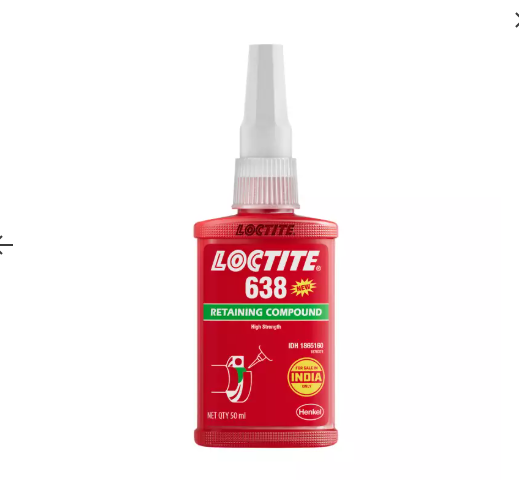
LOCTITE 638: Uses, Strength, Cure Time and Temperature Resistance
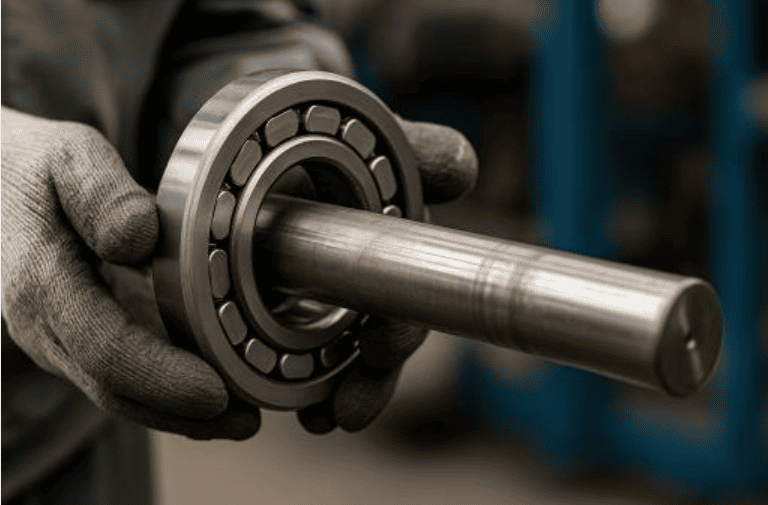
When a bearing slips on a shaft or a gear refuses to stay in place, even a tiny gap can cause expensive mechanical problems. That is where Loctite 638 comes in. This high-strength retaining compound secures cylindrical metal components, helping reduce movement, wear and unexpected machinery downtime. But how does it work, and what happens when you need to dismantle the assembly? Let’s find out.
Thank you for reading this post, don't forget to subscribe!What Is Loctite 638 Used For?
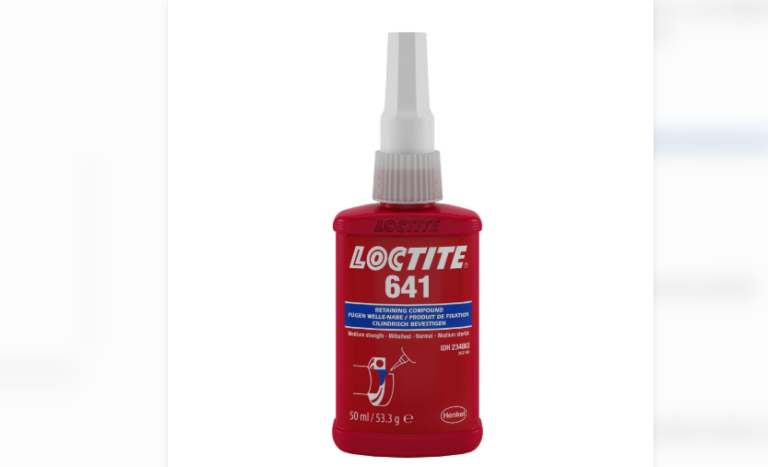
Loctite 638 is a green, high-viscosity retaining compound designed for close-fitting cylindrical metal components. It cures when confined between metal surfaces where air is excluded.
Common applications include:
- Shafts and bearings: Helps prevent slipping between mating components.
- Gears and pulleys: Secures assemblies against unwanted movement.
- Bushings and sleeves: Helps retain components within their housings.
- Threadlocking and thread sealing: Provides high-strength fastening or sealing in suitable applications.
Unlike ordinary glue, Loctite 638 is engineered for demanding industrial assemblies where a loose component can mean costly repairs.
LOCTITE 638 Cure Time and Gap Fill
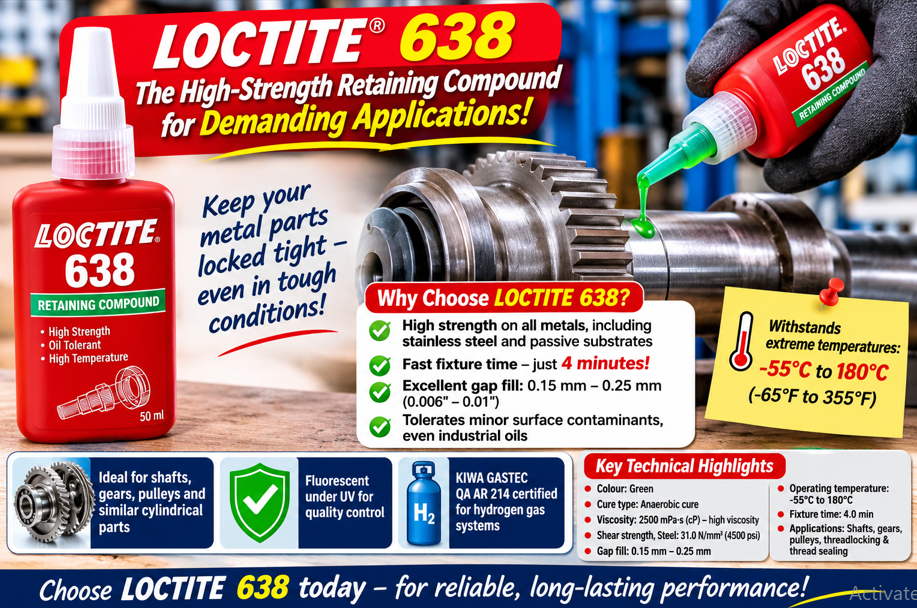
Time matters in busy workshops. LOCTITE 638 has a reported fixture time of just 4 minutes under specified test conditions. However, fixture time is not the same as full cure time. Allow the joint to develop its required strength before exposing it to demanding service conditions.
The compound accommodates gaps of approximately 0.15–0.25 mm. This helps fill the space between close-fitting cylindrical components, but it is not a substitute for correcting excessive wear or badly damaged parts.
Does Loctite 638 Need an Activator?
Not always. Loctite 638 can cure without an activator, but an approved activator may accelerate curing when working with passive metals, such as stainless steel, or under low-temperature conditions.
The compound also tolerates minor surface contaminants, including industrial oils. Nevertheless, proper surface preparation remains important. Think of oil tolerance as extra flexibility, not permission to skip cleaning altogether!
Temperature Resistance and Oil Tolerance
Machines do not always operate in clean, comfortable environments. LOCTITE 638 is designed to tolerate minor surface contamination, including industrial oils, although cleaning surfaces where practical remains good assembly practice.
Its operating temperature range is −55°C to 180°C (−65°F to 355°F), making it suitable for applications exposed to both cold and elevated temperatures within that range.
Can Loctite 638 Be Removed?
Yes, but removing cured Loctite 638 can be challenging because of its high bond strength.
For difficult disassembly, localised heating to approximately 260°C may be necessary before mechanical removal. This procedure requires appropriate safety precautions because of fire hazards, hot surfaces and potentially heat-sensitive components.
A specialist cleaner, such as LOCTITE SF 7063 where compatible, may help remove old adhesive residue during surface preparation. It should not be assumed to dissolve every cured bond completely.
How Strong Is LOCTITE 638?
When a component must stay put under demanding conditions, strength matters. LOCTITE 638 offers high strength across metals, including passive substrates such as stainless steel.
Its reported steel shear strength is 31 N/mm² (4,500 psi). This figure indicates its resistance to sliding forces across a bonded joint under specified test conditions. Actual performance depends on the materials, joint design, clearance and curing conditions.
Its high viscosity of 2,500 mPa·s (cP) also makes it suitable for retaining applications where a thicker liquid compound is useful.
Is LOCTITE 638 Suitable for Hydrogen Gas Systems?
LOCTITE 638 meets the performance requirements of KIWA GASTEC QA AR 214 for metal threaded fittings with hydrogen admixtures up to and including 100%, with certifications available in select countries. Relevant approvals and application requirements should be verified for the specific installation.
Frequently Asked Questions
What dissolves Loctite?
The appropriate removal method depends on the cured product and the surface involved. Specialist cleaners may help with residue, while heat may be needed for disassembly.
Where can I find the Loctite 638 datasheet?
Visit Henkel’s official website for the latest technical specifications, safety information and application guidance.
Final advice: When your machinery needs reliable metal-to-metal retention, Loctite 638 can help keep components secure and operations running smoothly. Always follow the current technical datasheet for the best results.