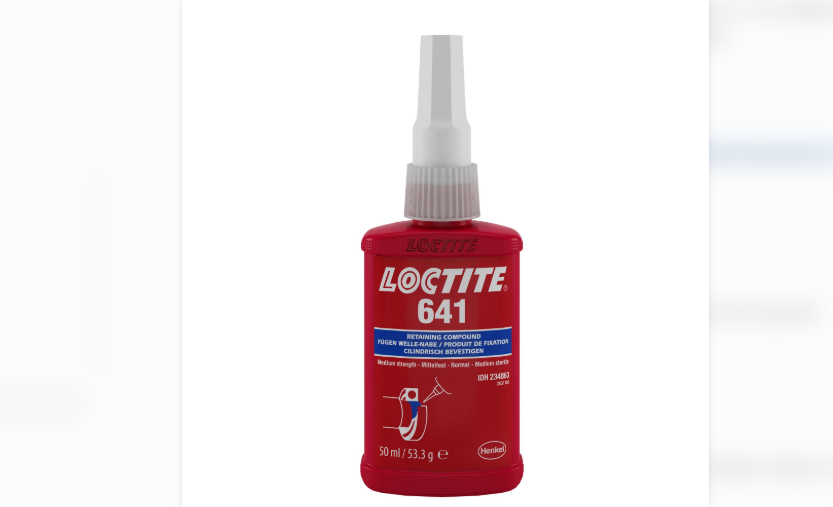
Loctite 641: How to Secure Bearings Without Making Future Repairs Difficult
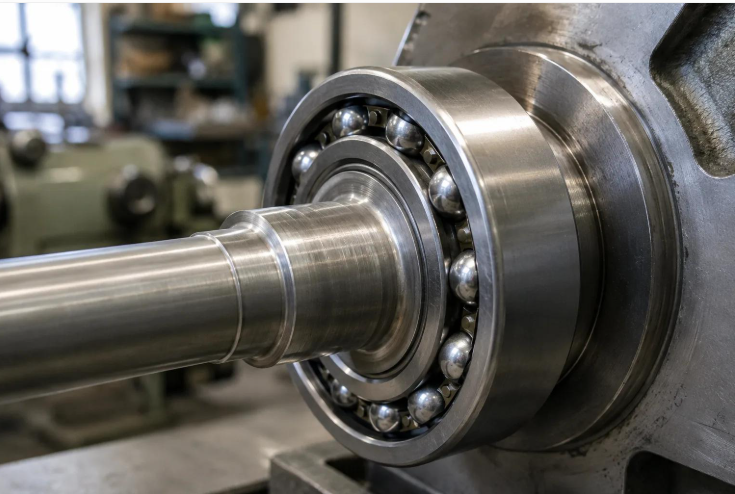
Got a bearing that keeps slipping on its shaft? Before you replace the entire assembly or reach for the strongest adhesive you can find, consider LOCTITE 641. This medium-strength retaining compound is designed to secure close-fitting metal parts while making future disassembly easier. It is particularly useful for machinery that needs regular maintenance.
Thank you for reading this post, don't forget to subscribe!In this guide, you’ll discover what LOCTITE 641 is used for, how long it takes to cure, its strength and temperature resistance, and how to apply it correctly.
What Is LOCTITE 641?
LOCTITE 641 is an anaerobic retaining compound that cures when confined between close-fitting metal surfaces in the absence of air. It helps prevent unwanted movement, loosening and leakage associated with shock and vibration.
Unlike ordinary household glue, this product is designed specifically for suitable industrial metal assemblies. Its medium-strength formulation makes it a practical choice when components must remain secure during operation but may need dismantling during servicing.
What Is LOCTITE 641 Used For?
The most common LOCTITE 641 uses involve securing cylindrical metal components, including:
- Bearing retention: Helps secure bearings onto shafts or inside housings.
- Machinery maintenance: Supports reliable assemblies that require periodic servicing.
- Vibration resistance: Helps prevent unwanted movement between properly fitted metal components.
- Industrial repairs: Provides retention where a medium-strength compound is more suitable than a high-strength alternative.
Imagine discovering a loose bearing during routine maintenance. You want a reliable repair, not a permanent bonding solution that makes the next service feel like a wrestling championship!
Remember, retaining compound cannot repair a severely worn shaft or replace a damaged bearing.
LOCTITE 641 Specifications
Here are the key product specifications to consider before choosing this retaining adhesive.
| Property | Specification |
|---|---|
| Product type | Retaining compound |
| Strength | Medium |
| Colour | Yellow |
| Fixture time | 20 minutes |
| Gap fill | Up to 0.15 mm |
| Shear strength on steel | 6.5 N/mm² (approximately 943 psi) |
| Viscosity | 600 mPa·s (cP) |
| Operating temperature | −55°C to 150°C |
| Technology | Anaerobic acrylate |
These figures help determine whether the product suits your application. Always check the latest technical data sheet for the specific product and operating conditions.
How Long Does LOCTITE 641 Take to Cure?
LOCTITE 641 has a stated fixture time of approximately 20 minutes under specified conditions. However, fixture time is not the same as full cure time.
Actual curing depends on factors such as the metal type, temperature, surface cleanliness and clearance between components. Allow the recommended curing period before putting machinery under load.
How to Apply LOCTITE 641
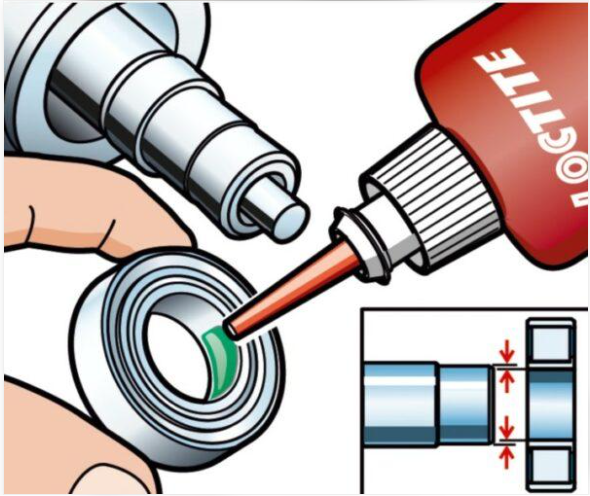
For dependable results:
- Clean the metal surfaces and remove oil, grease and dirt using a compatible cleaner.
- Inspect the shaft, bearing and housing for wear or damage.
- Apply the compound to the mating surfaces according to the manufacturer’s instructions.
- Assemble the components promptly and position them correctly.
- Allow the compound to cure as directed before operating the equipment.
If curing is slow on certain metals, consult the technical data sheet to determine whether a compatible activator is appropriate.
Is LOCTITE 641 Easy to Remove?
Compared with high-strength retaining compounds, LOCTITE 641 is intended to allow easier disassembly. This makes it useful for bearings and other parts that require regular servicing. Nevertheless, corrosion, tight fits and component damage can still make removal difficult.
Final verdict: If you need a medium-strength retaining compound for serviceable metal assemblies, LOCTITE 641 is worth considering. Match its strength, gap-filling capability and temperature range to your application before purchasing.