Loctite 648: Uses, Cure Time, Strength, and 5 Reasons It Stands Out
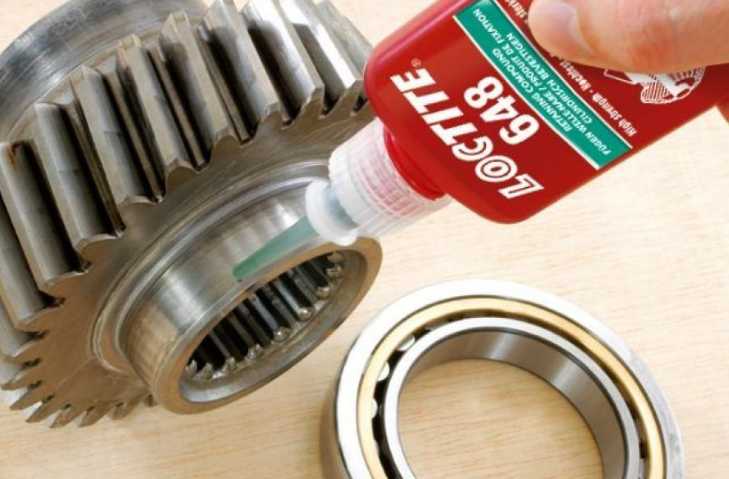
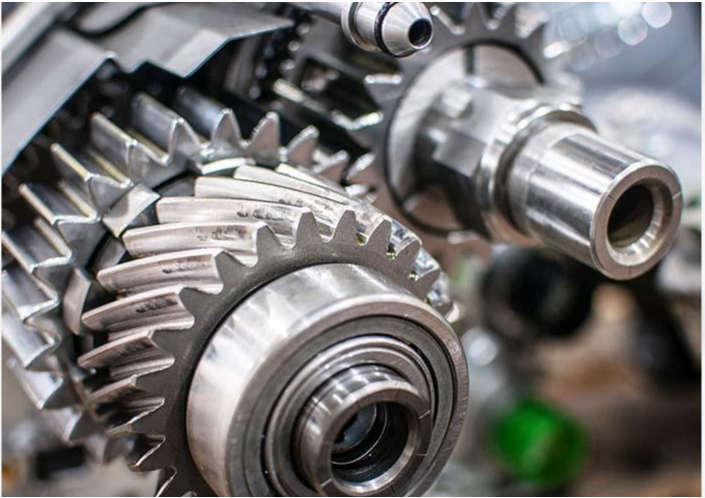
Imagine a gearbox running under heavy loads. Gears are spinning, shafts are transmitting power, and vibration is building up. The last thing you want is a component slipping out of position and bringing the entire machine to an expensive stop.
Thank you for reading this post, don't forget to subscribe!That is where Loctite 648 comes in.
This high-strength retaining compound is designed to secure cylindrical metal components, helping prevent loosening and leakage caused by shock and vibration. Whether you maintain industrial machinery, repair electric motors, or work with bearings and gearbox assemblies, understanding how this product works can help you make better maintenance decisions.
What Is Loctite 648?
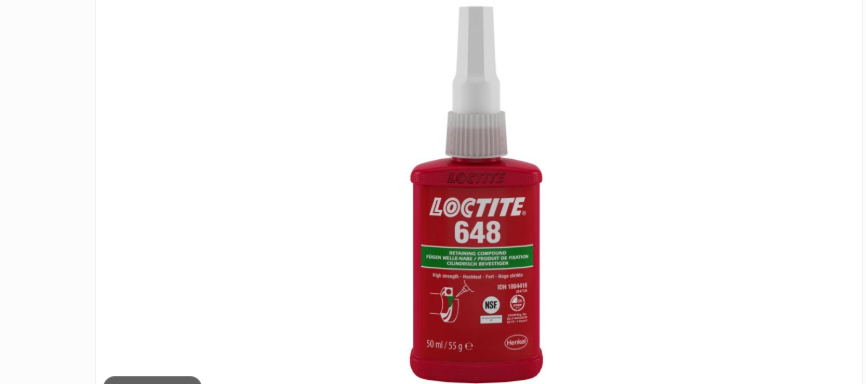
Loctite 648 is a green, low-viscosity, anaerobic-curing retaining compound from Henkel. It is designed to bond closely fitted cylindrical metal components, including bearings, gears, sprockets, bushings and sleeves.
Unlike ordinary glue, it cures when confined between suitable metal surfaces where oxygen is restricted. The result is a strong bond that helps keep components securely positioned.
One major advantage is its ability to work on active metals, such as mild steel, as well as suitable passive surfaces, including stainless steel and plated metals, without requiring a primer under appropriate conditions.
What Is Loctite 648 Used For?
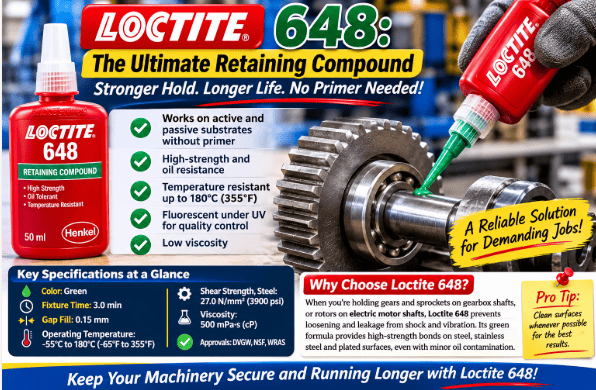
Loctite 648 is particularly useful in demanding mechanical applications where component movement can cause premature wear, vibration or equipment failure.
Common applications include:
- Gearbox shafts: Retaining gears and sprockets in their intended positions.
- Electric motors: Securing rotors to suitable motor shafts.
- Bearing assemblies: Helping prevent movement between bearings and shafts or housings.
- Bushings and sleeves: Creating strong retaining bonds between fitted cylindrical components.
It is also oil tolerant, meaning it can tolerate minor surface contamination from certain oils, including cutting, lubricating and anti-corrosion fluids. However, this does not mean dirty surfaces are ideal. Clean components whenever practical and follow the manufacturer’s preparation instructions.
Loctite 648 Cure Time: How Quickly Does It Work?
Time matters when machinery needs to return to service. According to the supplied product specifications, Loctite 648 has a fixture time of approximately 3 minutes under the specified test conditions.
However, fixture time is not the same as full cure time. The actual curing process depends on the materials, temperature, joint clearance and other application conditions.
Its maximum recommended gap fill is 0.15 mm. This makes it important to check component dimensions before application rather than expecting the compound to compensate for a badly worn or oversized assembly.
Always consult the current technical data sheet before returning critical equipment to service.
Loctite 648 Strength and Temperature Resistance
When selecting a retaining compound, strength and operating temperature are two important considerations.
Loctite 648 has a reported steel shear strength of 27 N/mm² (3,900 psi). Its specified operating temperature range is -55°C to 180°C (-65°F to 355°F).
These properties make it suitable for many demanding applications, provided the joint design and operating conditions meet the manufacturer’s recommendations.
Another useful feature is its fluorescence under ultraviolet light, which can support quality-control inspections where appropriate UV detection equipment and procedures are used.
How to Apply Loctite 648 Correctly
For dependable results:
- Inspect the components for wear, damage and excessive clearance.
- Prepare the surfaces according to the manufacturer’s instructions.
- Apply the compound to the appropriate mating surfaces.
- Assemble the components promptly and correctly.
- Allow sufficient curing time before applying the required operating load.
Follow the product’s safety instructions and use suitable protective equipment.
Final Thoughts
Loctite 648 offers a practical solution for securing suitable cylindrical metal assemblies exposed to vibration, shock, and demanding operating conditions. Its high strength, oil tolerance, low viscosity, and temperature resistance make it a valuable option for many industrial maintenance applications.
The key to a reliable bond is choosing the right compound, preparing the components correctly and allowing the assembly to cure as specified. Those small steps can help reduce unwanted movement, avoid repeat repairs, and keep machinery running reliably. Strength,