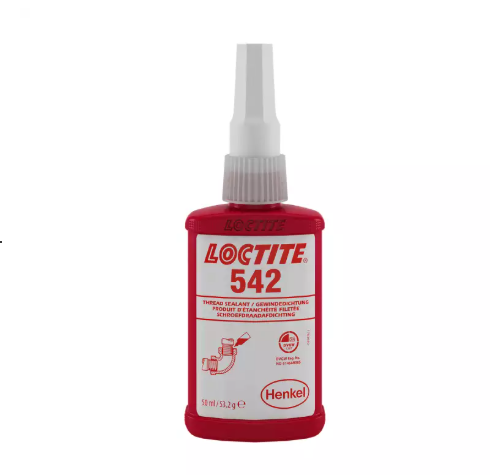
LOCTITE 542: Uses, Curing Time, Strength, and Application Guide
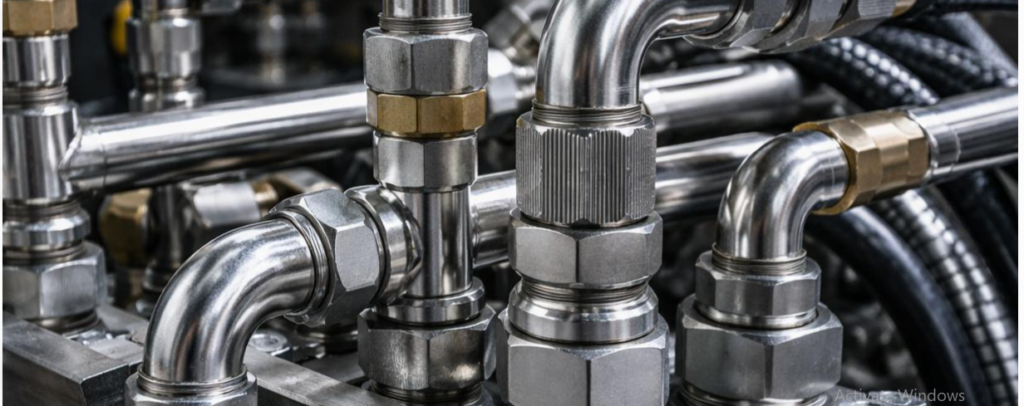
LOCTITE 542: Uses, Curing Time, Strength, and Application Guide
A leaking threaded connection can cause more than just a mess. In hydraulic and pneumatic equipment, even a small leak can affect system performance, waste valuable fluids, and lead to unnecessary maintenance. If you are looking for a reliable way to seal fine-threaded metal connections, LOCTITE 542 is a product worth considering.
Thank you for reading this post, don't forget to subscribe!LOCTITE 542 is a fast-curing, medium-strength anaerobic thread sealant designed for fine-threaded metal pipes and fittings. It locks and seals threaded assemblies, helping prevent leakage and loosening caused by vibration. Its formulation also offers resistance to fuel, oil, coolants, color, grease, and hydraulic fluids, making it suitable for demanding industrial applications.
But what makes this thread sealant different, and when should you use it?
What Are the Main LOCTITE 542 Uses?
The main LOCTITE 542 uses are found in hydraulic, pneumatic, and general industrial fittings where a dependable seal is essential. It is particularly suitable for fine metal threads that require protection against fluid leakage and vibration-related loosening.
One important advantage is its thixotropic nature. In simple terms, this means the sealant becomes less prone to flowing or spreading after application. It stays where you apply it instead of migrating excessively across surrounding surfaces.
Another benefit is that LOCTITE 542 contains no fillers or solid particles that could foul or clog fluid filtration systems. This makes it particularly useful in applications where keeping fluid passages clean is important.
How Strong Is LOCTITE 542?
LOCTITE 542 offers medium-strength locking performance, providing a secure connection without making future maintenance unnecessarily difficult.
For reference, its breakaway torque on a steel M10 fastener is approximately 15 N·m (130 in-lb). This gives technicians a useful indication of the strength required to loosen a cured assembly under specified test conditions.
Its brown colour also makes it easy to recognise during application and maintenance.
How Long Does LOCTITE 542 Take to Cure?
LOCTITE 542 uses anaerobic curing technology. This means it hardens when confined between closely fitting metal surfaces where oxygen is excluded.
Although it is a fast-curing formulation, the actual curing time depends on the metal material, thread clearance, color, pneumatic, and temperature. Steel generally allows faster curing than passive metals such as stainless steel.
The product provides an immediate low-pressure seal, which is particularly useful when assembling threaded connections. However, an immediate seal does not mean the adhesive has reached its full curing strength. Allow sufficient curing time before applying full operating pressure, following the manufacturer’s technical guidance.
Operating Temperature and Technical Specifications
LOCTITE 542 is designed to operate across a broad temperature range, making it suitable for various industrial environments.
Key specifications include:
- Product category: Thread sealants
- Technology: Acrylates, anaerobic cure
- Colour: Brown
- Strength: Medium
- Breakaway torque: 15 N·m on steel M10
- Operating temperature: -55°C to 150°C (-65°F to 300°F)
- Viscosity: 600 mPa·s (cP) at 20 RPM
- Approvals: DVGW and WRAS
Its operating temperature range makes it useful in applications exposed to both low and elevated temperatures, provided the complete system meets the required specifications.
How to Apply LOCTITE 542 Correctly
For a dependable seal, start by cleaning the male and female threads to remove oil, dirt, and other contaminants. Allow the surfaces to dry before application.
Apply a continuous bead around the male threads, covering the required engagement area while leaving the first thread clear. Assemble the connection and tighten according to the manufacturer’s recommendations for the fitting’s resistance .
Avoid excessive application. The objective is to fill the thread gaps sufficiently, not to flood the connection with sealant.
Is LOCTITE 542 the Right Thread Sealant for You?
If your application involves fine-threaded metal fittings in hydraulic, pneumatic, or general industrial systems, LOCTITE 542 offers a useful combination of medium-strength locking, fluid resistance, and fast-curing performance.
Its resistance to common industrial fluids, thixotropic formulation, and particle-free composition make it particularly attractive for maintenance professionals who need reliable sealing without introducing unnecessary contamination risks.
As always, check the manufacturer’s technical data sheet and ensure the product is suitable for your materials, pressure requirements,fitting and operating conditions before use.